Packaging
Stock Component or Custom Mold? A Practical Framework
The right level of customization is not a status symbol. It is a business decision shaped by differentiation, budget, timing and expected repeat volume.
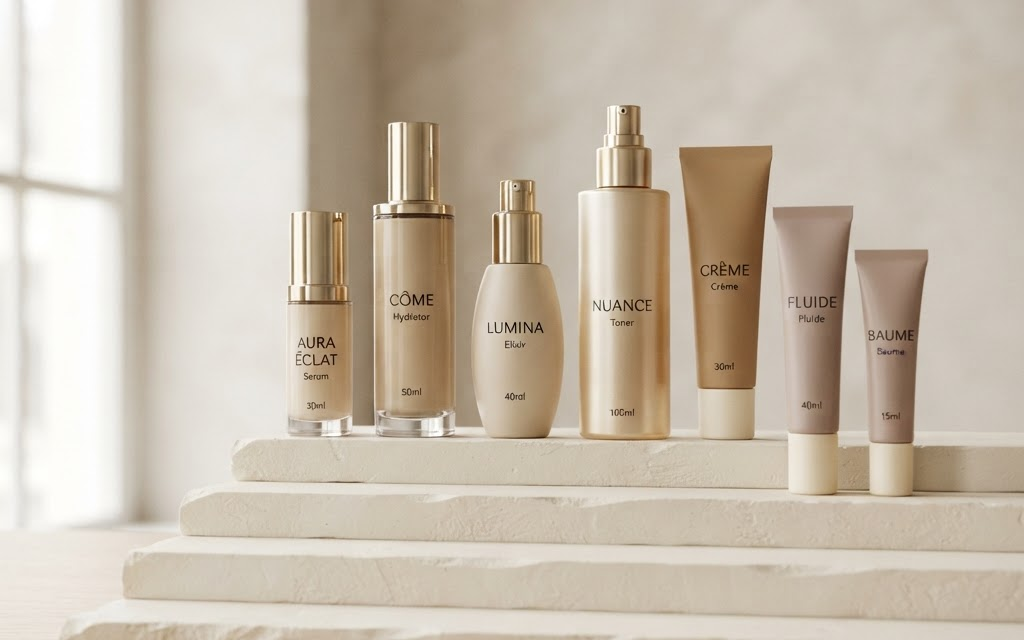
What stock packaging really means
Stock packaging does not necessarily mean an off-the-shelf result with no brand identity. It usually means that the main component structure already exists and has been developed, tooled and produced before.
The bottle, tube, jar, closure or applicator can often be adapted through color, surface finish, printing, hot stamping, metallization, labels, accessories and secondary packaging. When these elements are coordinated carefully, an existing component can still produce a distinctive and premium brand presentation.
The important question is not whether the component is “stock.” It is whether the complete packaging system supports the intended formula, user experience, positioning, quantity and launch schedule.
When stock packaging is the stronger choice
Stock components are often the more practical route for a first launch, a market test or a project with a relatively short development window. They allow the brand to begin with an existing structural foundation and focus resources on formula, decoration, content, sampling and distribution.
A stock route may be appropriate when:
• The brand needs to validate demand before committing to tooling
• The launch schedule does not allow a full structural development cycle
• Differentiation can be created through color, decoration and artwork
• The initial order does not justify the cost and complexity of a new mold
• The brand wants to review a physical component before finalizing the design direction
Stock availability should still be confirmed for the exact component combination. A bottle may be available while a preferred cap, wiper, pump or accessory requires a different minimum or production schedule.
How to make a stock component feel distinctive
A recognizable package does not always require a completely new structure. Many brands create differentiation by controlling a smaller number of highly visible decisions.
These may include:
• A custom resin or coating color
• A coordinated cap, collar and actuator finish
• A restrained combination of silk screen and hot stamping
• A distinctive applicator or closure detail
• A custom label architecture
• A secondary carton or insert that improves the unboxing experience
• A consistent packaging system across several products
The strongest result usually comes from treating these details as one system rather than selecting each process independently. Too many decorative techniques can increase complexity without creating a clearer brand identity.
Selective customization: the middle path
Between a standard component and a completely new mold is a useful middle path: selective customization.
A brand may retain a proven bottle or tube while customizing one recognizable element, such as a cap, collar, applicator detail, decorative sleeve or secondary packaging structure. This can create a stronger signature while reducing some of the tooling, testing and coordination required for an entirely new pack.
Selective customization is especially useful when one element can carry the brand’s identity across a wider product family.
When a custom mold earns its place
A new mold is most defensible when the structure creates meaningful functional value, recognizable brand equity or long-term portfolio value.
Custom tooling may be worth exploring when:
• The package requires a feature that existing components cannot provide
• The silhouette is central to brand recognition
• The structure improves dispensing, handling or application
• The design can support several products or future repeat orders
• Expected volume and commercial lifespan can justify the development investment
A rendering alone is not enough to approve a custom route. The project should also consider engineering feasibility, material selection, tooling cost, mold ownership, trial runs, revisions, testing, production minimums and future maintenance.
What changes when you choose custom tooling
Custom molding is not simply an extra design service added to a standard order. It creates a different development path.
The team may need to coordinate:
• Structural drawings and engineering review
• Material and manufacturing-process decisions
• Prototype or trial components
• Mold development and revision
• Fit and function testing
• Formula and packaging compatibility review
• Decoration trials
• Production specifications and quality criteria
Each stage can affect timing and cost. This is why a custom structure should solve a clear business or product problem rather than being used only to make a project appear more premium.
Compare the three routes against one brief
Before choosing, compare three possible development routes against the same project requirements:
- Stock component with decoration
- Existing component with selective customization
- Fully custom-tooled packaging
Evaluate each route according to:
• Brand differentiation
• Formula and functional requirements
• Target quantity
• Budget range
• Launch timing
• Sampling requirements
• Expected repeat volume
• Future product-family potential
This comparison helps prevent the project from becoming attached to one solution before its commercial and technical implications are understood.
Questions to ask before making the decision
Before requesting quotations or approving development, clarify:
• What aspect of the packaging must be unique?
• Can decoration or a customized accessory achieve that objective?
• Has the intended formula been considered?
• What quantity is realistic for the first production run?
• Is the launch date flexible enough for tooling and testing?
• Will the packaging structure be reused across future products?
• Who owns and maintains the mold?
• What happens if the design requires revision after trial production?
The answers will usually make the appropriate level of customization much clearer.
A practical next step
Start by defining the project’s non-negotiable feature. Then compare a stock route, a selectively customized route and a new-tooling route against the same brief.
The best option is not automatically the most customized one. It is the option that creates enough distinction while protecting product performance, budget and launch feasibility.
Send Lulu Beauty Works your visual references, product category, target quantity, budget range, formula status and preferred launch timing. We can help organize the brief, narrow the packaging direction and coordinate the next sampling steps.
Frequently Asked
Questions
- Is stock cosmetic packaging the same as generic packaging?
- No. Stock packaging normally means the underlying component structure already exists. It can still be customized through color, decoration, finishes, accessories and secondary packaging to create a distinctive brand presentation.
- When should a beauty brand consider a custom mold?
- A custom mold is most appropriate when the structure provides meaningful function, recognizable brand value or long-term use across repeat orders and future products. Budget, timing, engineering and testing should all be considered.
- Can an existing packaging component be partially customized?
- Often, yes. Depending on the component and supplier, a brand may retain an existing bottle or tube while customizing elements such as the cap, collar, applicator, color, decoration or secondary packaging.
- Does custom packaging always require a higher MOQ?
- Minimum quantities are project-specific. They can be affected by tooling, materials, custom colors, decoration processes and the supplier’s production requirements. The complete specification should be reviewed before confirming an MOQ.